Grand Biotechnology Award, National Biotechnology Day to be held
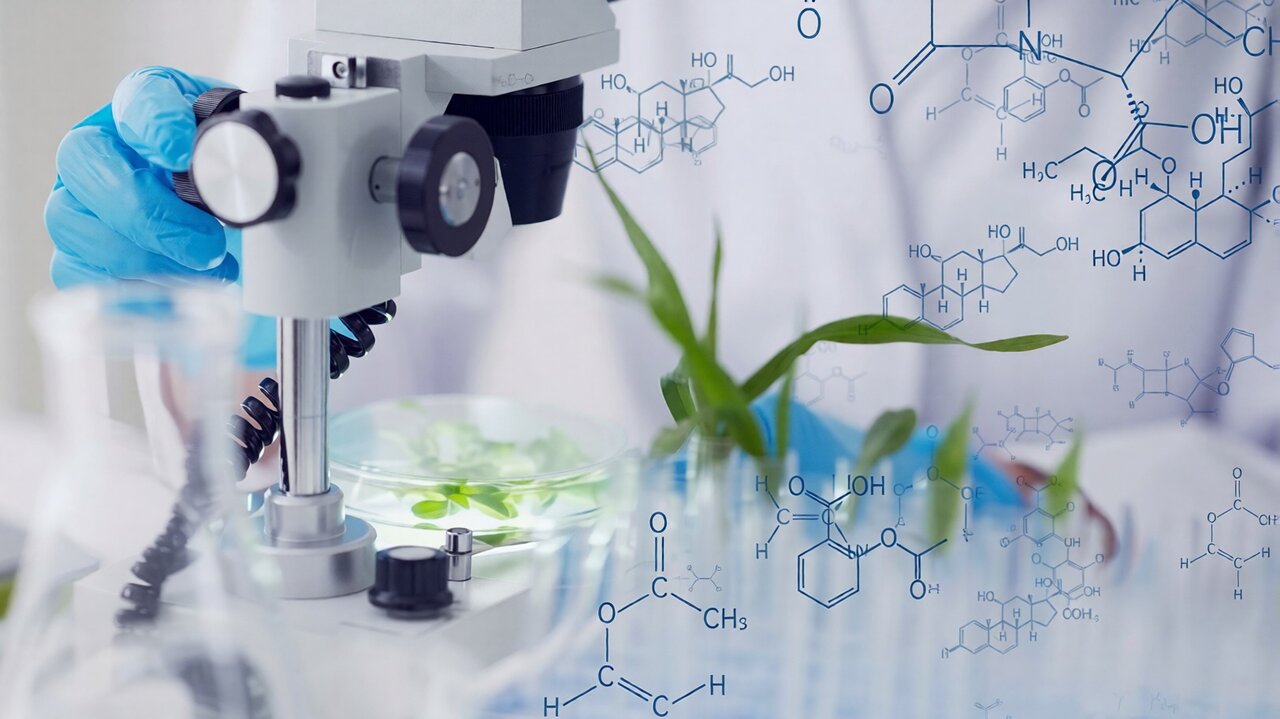
TEHRAN - The 17th Grand Biotechnology Award and the 10th National Biotechnology Day ceremony will be held on December 15, coinciding with Research Week, under the central theme “Biotechnology in the Service of Food Security.”
The event aims to promote scientific exchange, encourage innovation, and provide a platform for presenting research projects with practical applications and strong commercialization potential. It will adopt a competitive approach to evaluating research achievements across various fields, including medical, pharmaceutical, agricultural, industrial, microbial, veterinary, plant, and marine biotechnology, as well as natural resources, environmental studies, basic sciences, and interdisciplinary research.
This year, projects addressing food security and the entire food production-to-consumption chain will receive special priority. These include initiatives focused on improving productivity, ensuring sustainable production, reducing food waste, enhancing food health and safety, and developing complementary technologies.
The emphasis on food security reflects the growing importance of biotechnology in addressing challenges facing agricultural production, including climate change, water scarcity, crop diseases, and the need to improve resource efficiency. Biotechnology applications such as genetic engineering, tissue culture, molecular breeding, and biological pest control can contribute to developing more resilient crops, improving agricultural productivity, and reducing reliance on chemical inputs.
Iran has also been expanding its research and development activities in biotechnology, with applications ranging from recombinant medicines and vaccines to agricultural biotechnology and stem cell technologies. Research institutions and universities have played an important role in developing these capabilities, although translating scientific achievements into marketable products remains a key challenge. A 2025 study on Iran's biopharmaceutical industry highlighted the importance of stronger cooperation among academic institutions, industry, and intermediary organizations, as well as improved access to funding and innovation support.
The annual award and National Biotechnology Day are therefore expected to provide an opportunity to showcase research achievements, strengthen connections between researchers and industry, and encourage the development of knowledge-based products that address national needs, particularly in food security.
Measures to advance biotechnology sector
The Vice-Presidency for Science, Technology, and Knowledge-Based Economy has elaborated on the measures that would contribute to the advancement of the biotechnology sector and the development of health technologies in the country.
Concerning the decisive role of biotechnology in food security, health, and the knowledge-based economy, the country has adopted a series of technological and research projects focusing on scientific data analysis, expansion of innovation infrastructure, and enhancement of strategic biotechnology value chains, IRNA reported.
The use of artificial intelligence (AI) for advanced analysis of the country’s scientific data in biotechnology is one of the most important steps taken.
AI language models and natural language processing tools are used to conduct extensive mining of scientific articles by Iranian researchers.
Moreover, seven specialized biotechnology centers have been launched at universities. An institutional synergy model has been developed to implement the ‘national division of labor in biotechnology’ plan, which is being implemented with the help of different agencies, including the headquarters for the development of biosciences and technologies and stem cells, the National Planning and Budget Organization, the Ministry of Health and Medical Education, the Ministry of Science, Research and Technology, and the Iran National Science Foundation.
The technological missions are communicated to universities, and the distribution of knowledge-based companies operating in various fields of biotechnology has also been identified and analyzed.
Signing memoranda of understanding with universities to boost the scientific capacities of the country and expedite strategic biotech development was among other measures adopted.
To support the strategic biotechnology value chains, various programs are being implemented, including the transition from raw material sales to the manufacturing of high-added-value products. In this regard, a document has been developed to implement the ‘biorefinery’ project in two fields: nutrient biotechnology and sugarcane biotechnology.
Enhancing intergovernmental collaborations to address challenges associated with food security and the environment, establishing a national clinical research organization in cooperation with the World Health Organization (WHO), and launching two corporate venture capital funds in the regenerative medicine field are among other employed strategies.
Biotech holds 60% share of pharmaceutical exports
Biotechnology products account for a major portion of Iran’s pharmaceutical exports, with a share of 60 percent.
In 2025, Haleh Ahmadi, the head of the association of pharmaceutical biotechnology producers and exporters, said some 99 percent of pharmaceutical biotechnology products are manufactured domestically.
Biotechnology products are exported to 40 countries worldwide, compared to 35 countries in the Iranian calendar year, which ended in March 2025. The exported medicines are worth 120 – 130 million dollars, Mehr news agency quoted Ahmadi as saying.
Thanks to the pharmaceutical biotechnology producers, the country is saving 5 billion dollars, which would have otherwise been spent on importing these products, she noted.
Currently, 45 pharmaceutical biotechnology products, including medicines, kits, and medical tools, are produced in Iran, Ahmadi added.
Leave a Comment